

There lived a time; when the farming calendar was predictable, farmers knew exactly when to expect the rains.
Their farmland hardly needed fertiliser for maximum yield in their fields.
Over a period of time that story changed and has kept on changing as climate change has affected both the farming calendar and farm inputs living farmers to largely unsure and having to depend on fertilizer.
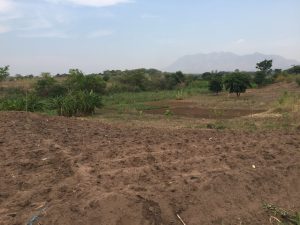
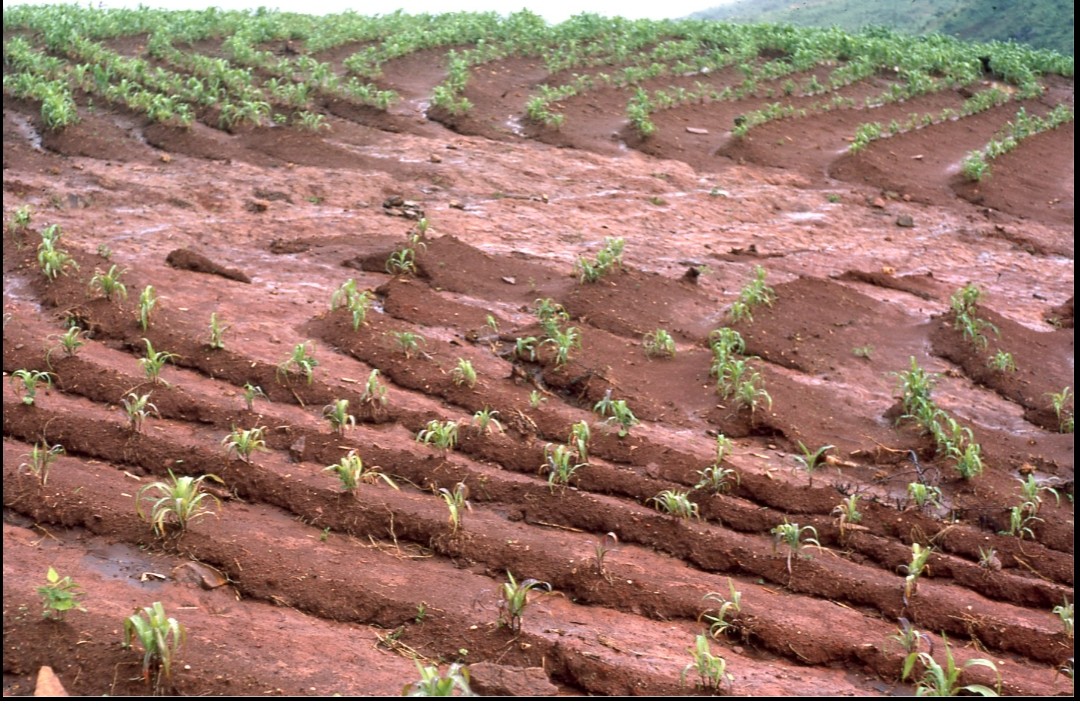
That isn’t all because with climate change farm-land have continued to lose their soil fertility chiefly to soil erosion while such unsustainable agriculture practices like rapid deforestation forcing farmers to increasingly become dependent on fertilizers to boost production.
This is not only reducing productivity in the agriculture sector but also causing a general decline in profitability of crop production and thus continually worsening hunger situation in the country.
Dr. Rodwell Mzonde, director of agriculture planning in the Ministry of Agriculture says the nation is losing 1.07 to 10 metric tons of its top soil per hector annually.
This, he says is a setback towards achieving food security for an agro based economy like Malawi where 80% of the population depend on farming to make a living.
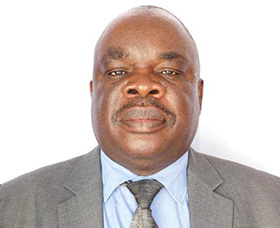
“Climate change is playing a big role in this … most upper lands have become bear and left farming lands exposed and prone to soil erosion. It means the country is losing top soil at a very fast rate.
“Sadly this is the source of our productivity because the soil is losing nutrients meaning we are likely to continue experiencing a decline in agriculture production”, says Dr. Mzonde.
Remigious Kachingwe a maize farmer from Machinga district in the eastern region says the situation has come with food safety challenges at his household.
“Prior to these climatic changes we used to harvest over 50 bags of maize every year with the amount of rains we received and without applying much fertilizer, but now all that has changed, rain volumes have dwindled and so has the harvest,“ Kachingwe observes.
Likewise, Madalo Bonongwe, a farmer from Neno district, southern Malawi worries over her piece of land which has become heavily eroded.
“Already I’ve stopped cultivating on some piece of land which has lost greatly lost its soil fertility. My fear is that this is likely to get worse as climatic patterns continue to change”, Bonongwe said.
Meanwhile, studies indicate higher rates of soil erosion in Malawi with research by UN agencies, FAO, UNDP and UNEP in 2017 indicating an average loss of top soils of 22 tons per hectare per year.
According to the research, the northern regions registered moderate soil erosion rates, ranging between 0.4 and 39 tons per hectare per year whilst the southern region fell to less than 10 tons per hectare per year.
At a time statistics indicate this problem was reducing productivity of the agriculture sector by 6%, Zidwe Jere, executive director for Total Land Care feels sensitizing masses on suitable use of land was key to addressing the situation.
“Climate change has come with serious environmental problems, not limited to unpredictable rainfall pattern but also soil erosion which is impacting greatly on land productivity, thereby reducing crop yield.

“Thus; to address the situation, there’s need to empower communities to ensure sustainable use of land,” says Jere.
Also a 2021 report by Climate Smart Agriculture Development titled ‘Climate Change Impacts on Soil Erosion in Tanzania and Malawi suggests the promotion of agro-forestry and other land management practices to reduce soil erosion to manageable levels.
“In the present day, land management such as terracing may be enough to reduce soil erosion from high to moderate in most, but not all mountainous areas. Terracing was able to reduce the levels of soil erosion with climate change, however areas with high soil erosion still remained”, reads part of the report.
In addition, Professor Pedro Sanchez of the Institute for Sustainable Food Systems at the University of Florida in the United States notes that the loss of fertile soil was a threat to Malawi achieving the agenda 2063.
“Soil loss is one of the major threats to agricultural development in Malawi, not only does it reduce the cultivable soil depth but also takes away the fertile soils from the farmlands. Most Malawi soils are now unhealthy because they have been depleted of nutrients. Bare soil guarantees runoff and erosion at the start of the rains,” observes Sanchez.
No wonder to address the challenge, government has partnered stakeholders to implement various in controlling soil loss which include contour ploughing, ridging, conservation agriculture, crop rotation and manure application.
He challenges authorities to monitor progress of these measures from time to time in order to provide room for improvement.
“Time-series assessment of soil loss combined with a monitoring framework gives the opportunity to assess the effectiveness of these control measures” he said.
Further, Associate Professor, Patson Nalivata, says agricultural transformation was vital in achieving Malawi’s vision of creating an inclusively wealthy and self-reliant nation.
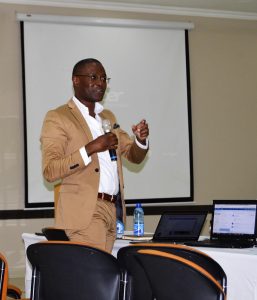
He believes it is important to enhance appropriate agricultural production interventions, promote the adoption of climate smart agricultural technologies, good land management practices and environment management.
“Some of the released technologies, with a consideration of an integrated approach include legume intensification, use of bio-fertilizers, bio-inorganic fertilizers, soil and water conservation management practices that include conservation agriculture such as deep-bed farming” Nalivata said.
Every year, soil erosion in Malawi reduces agricultural productivity thereby putting less food on the table for many households.
A 2011 Poverty Environment Initiative study estimates that if soil oil was effectively tackled, 1.88 million Malawians could have been lifted out of poverty between 2005 and 2015.
Meanwhile – data from the United Nations Food and Agriculture Organization indicates that 40% of soil in Africa is degraded and this is particularly worrisome at a time 83% of Sub-Saharan African people depend on land for their livelihood,
Statistics also show that Food production in Africa will have to increase almost 100 percent by 2050 to keep up with population demands, making soil erosion a pressing social, economic, and environmental issue for many African countries.
