


Under the hot sun in Ntchisi District, two women share their difficult experiences, revealing the serious problems with Water, Sanitation, and Hygiene (WASH) facilities in Malawi’s hospitals.
Sarah Kazonga, 36, remembers giving birth to her second daughter in 2012 at Chinguluwe hospital. She had to leave the maternity ward to clean up at a tank because there was no water.
“It was a tough situation. I couldn’t clean up right away, which put the newborn baby at risk,” she says.
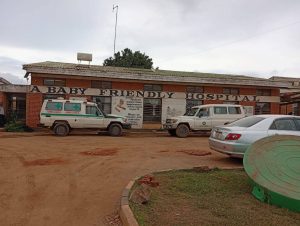
Zione Banda’s experience is just as upsetting. Her child developed rashes after birth because delays in cleaning stemmed from the lack of water.
“It hurts to know that we lack so much in the maternity wing,” Banda says.
The situation is serious, as many hospitals lack running water, reliable toilets, and bathrooms.
This is a common story in Malawi, where women often have to leave the maternity wing to clean up at a tank or find water from wells, risking both infection and their dignity.
According to the Malawi Demographic and Health Survey (MDHS) 2024, the maternal mortality rate is 224 deaths per 100,000 live births.
Dr. Chifundo Zimba, Executive Director for Nurses and Midwives (NONM), says they have to get water from boreholes, often from far away, and lack basic protective gear like soap and uniforms.
“As nurses and midwives, we are there every day, every minute, caring for mothers and babies. But we don’t have resources. We don’t even have soap to wash our hands.”
Experts agree that the situation is serious, but solutions are possible.

Chandiwira Chisi, Head of Policy and Communications at Water Aid, says the government, private sector, and development partners must work together to tackle WASH issues in hospitals.
“It only takes a united effort and clear political decisions to fix the failing systems,” he says.
Meanwhile, Maggie Kathewera Banda, chairperson for NGO Gender Coordination Network, believes that safe motherhood can’t happen without safe water.
“We want to raise awareness among the public and government. We need to take action to protect women and newborn babies,” Banda says.

Kathewera Banda noted that under their new ‘Time To Deliver Campaign,’ which will last until 2028, there is hope that WASH issues will be addressed in the country.
On her end, Minister of Health Madalitso Baloyi states it’s time for action to create a safe and healthy environment for mothers and newborns in Malawi’s hospitals.
“We want to ensure that women give birth in a clean environment. We aim to reduce infections and protect newborns,” Baloyi says.
The time to act is now. Malawi’s mothers and newborns deserve better.
