
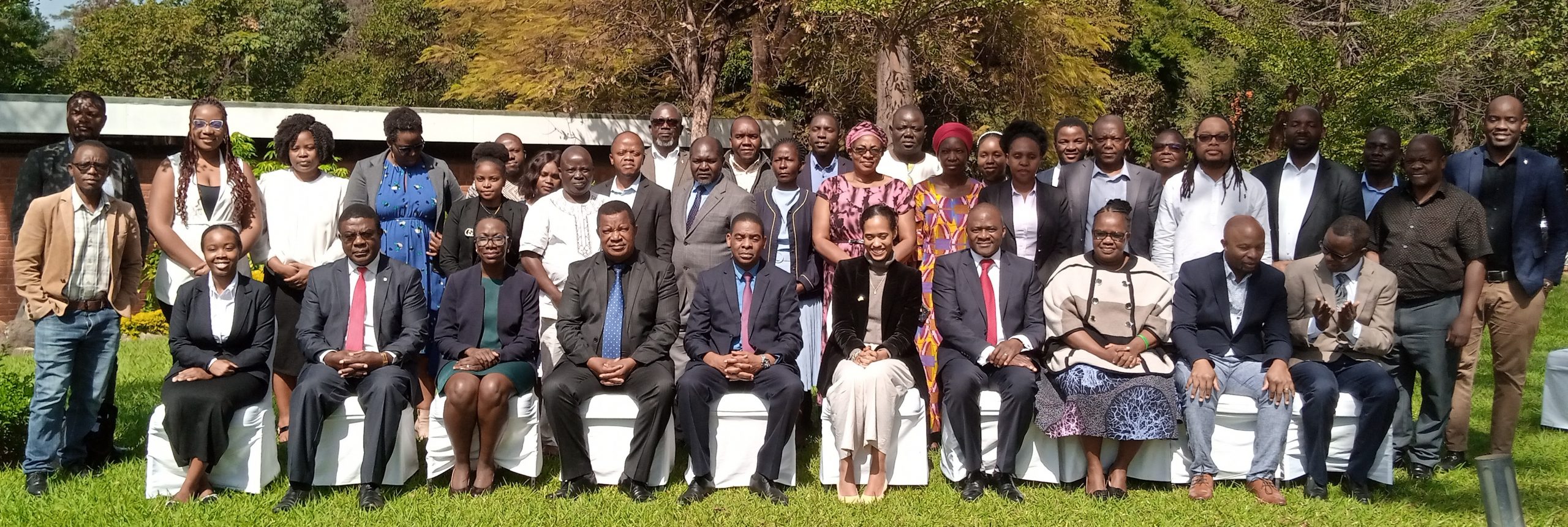

The Malawi Liverpool Wellcome Research Programme says there is a need to enhance skills and understanding in using technical information for informed decisions and policy-making at all levels of governance.
This call to action follows observations that many commonly used scientific terms lack direct equivalents or translations, leading to communication breakdowns and eroded trust in the decision-making process.
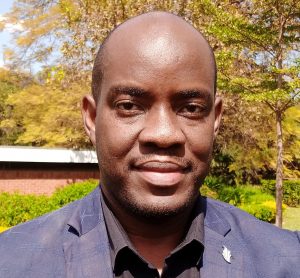
In an interview with MIJ Online, Dr. Rhona Mijumbi, head of the Policy Unit at the Malawi Liverpool Wellcome Research Programme, said creating a platform for interaction between scientists would facilitate the sharing of experiences and help shape policy directions.
“So, in many cases, when a decision maker does not understand the science, data, or findings that have just come out of research, they just leave it aside. As a result, they make decisions about issues that should have benefited from science without the science” said Dr Mijumbi.
Dr. Mijumbi stressed that scientific undertakings should benefit society rather than serving as a pursuit for academics alone.
Similarly, Dr. Collins Mitambo, a medical doctor in the Ministry of Health, acknowledged the existing gap and expressed the ministry’s intent to establish a platform for researchers and policymakers to collaborate and make well-informed decisions.
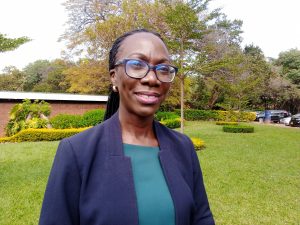
Meanwhile Olympia Wereko Brobby, Deputy High commissioner and development director for the British High Commission said it’s relevant to take complex information and translate it into policy makers in a way that people could understand.
“Malawi has a very strong, rich culture of research that we strengthen together with academics, researchers, policymakers, and development partners to translate into evidence-based policy making” said Brobby.
The Malawi Liverpool Wellcome Research Programme (MLW) with support from Wellcome and through its Policy Unit carried out a two year project aimed at building the capacity to understand, communicate and use complex science in Malawi using Genomics.
