
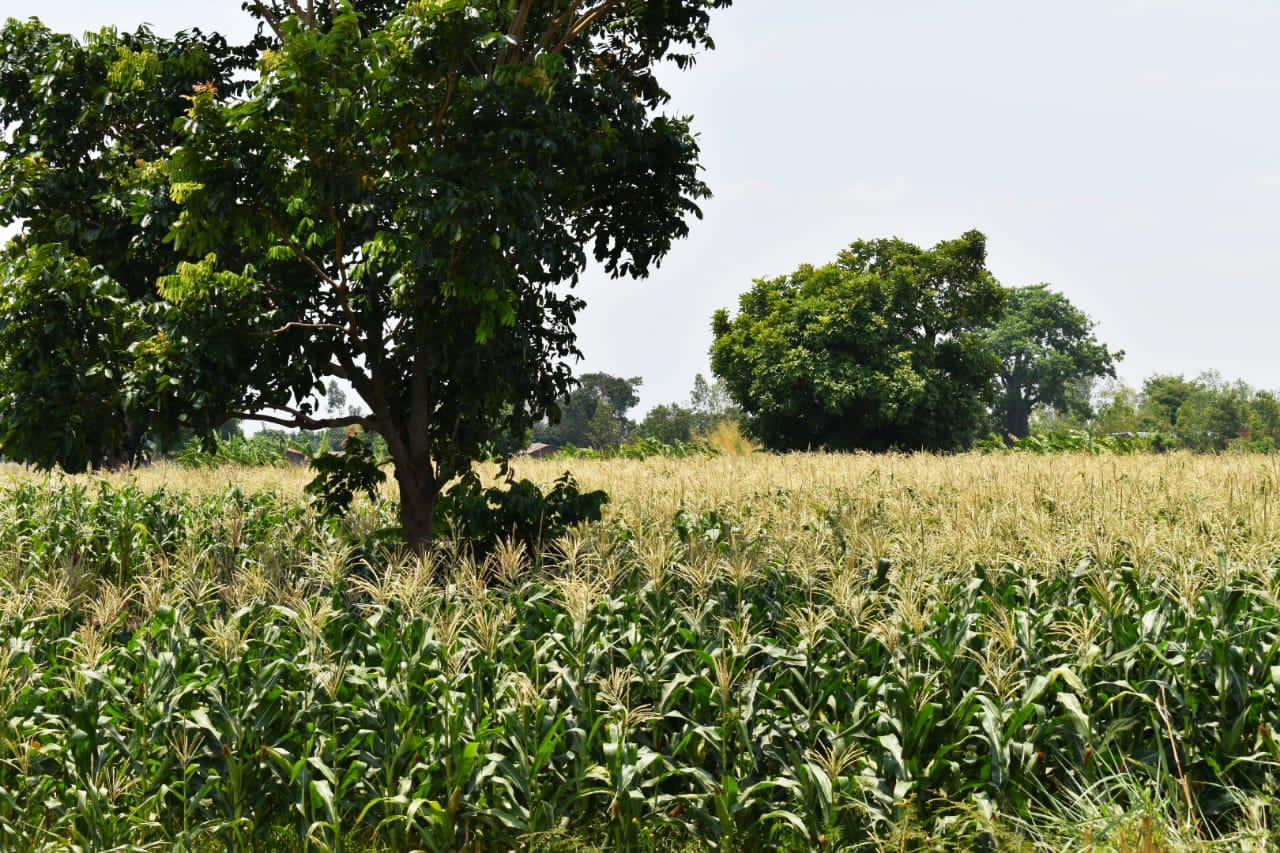

Authorities have underscored the importance of irrigation farming in mitigating the impact of climate change for the country to achieve food security.
Francis Wadi-Principal Irrigation Engineer in the ministry of Agriculture-made the sentiments after visiting Likangala Irrigation scheme in Zomba district and Phandiro irrigation scheme in Machinga district.
The two irrigation schemes were rehabilitated and expanded under the -World Bank-funded-Malawi Drought Recovery and Resilience Program-MDRRP, thereby increasing productivity and food security for farmers in the two districts.
“Our role now is mainly on the management of these schemes; we have to support the farmers on the management. We normally provide the farmers with trainings so that they realize more from their production.” Said Wadi
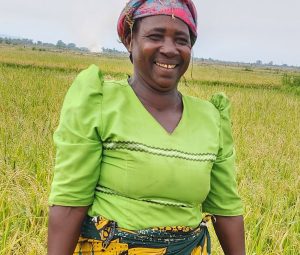
Meanwhile Wadi has expressed satisfaction with improved livelihoods of communities cultivating in the schemes describing it as a true testament to the great potential irrigation farming has in addressing Malawi’s food insecurity and high poverty levels.
Over the years, Malawi has experienced adverse weather conditions such as floods and drought being influenced by climate change and the devastation has left many people food insecure, with many more living below the poverty line.
Likangala Irrigation Scheme which is located in the area of T/A Mwambo in Zomba district is the largest scheme in the district and covers 410 hectors of land.
The scheme was established in 1969 with farmers cultivation rice during rainy season and other crops such as maize, sweet potato and water melons during winter season.
However, a change in climate had brought with it challenges such as flooding, destroying crops in its wake.
Lloyd Tayibu, President for Likangala irrigation scheme which has a membership of 1947 farmers said due to climate change, the scheme used to be heavily affected by floods, rendering it unusable for a long period of time during rainy season thereby affecting production.
However, In 2018/2019 the irrigation scheme was rehabilitated under the Malawi Drought Recovery and Resilience Project with some of the works including construction of a Spillway and discharge channel; a 2.4-kilometer canal as well as installation of flood protection bunds along Likangala river.
Tayibu said the rehabilitation works, has since increased production for farmers as they are able to cultivate twice a year using the now efficient irrigation system.
“The rehabilitation of the scheme assisted a lot in increasing cultivation area as the canal helped to bring water to some parcels of land in the scheme which were not being cultivated for lack of access to water. Now with increased production we are able to plant twice a year and make enough money to build houses, buy motorbikes and live a comfortable life.” Said Tayibu
Meanwhile Phandiro Irrigation Scheme in G.V.H Chirombo in the area of T/A Mposa is one of the 54 gravity fed irrigation schemes in Machinga district, accessing water from Lingoni River.
After rehabilitation works under the Malawi Drought Recovery and Resilience Project in 2017-2018, the scheme was expanded from initial 50 hectors to 80 hectors.
Just as Likangala, Phandilo irrigation scheme cultivates its crops twice per year with total production of about 320MT of rice during rainy season and 250MT during irrigated period.
One rice farmer Roster Nyepeliwa from Phandiro irrigation scheme told MIJ Online that irrigation farming has assisted farmers to build resilience amid weather challenges to realize food security and earn enough income for their livelihood.
“We are into rice production, and once we sale the rice we are able to realize significant income to purchase basic needs. It is important for women to take part in income generation ventures for us to be self-reliant and be able to care for our families.” Explained the widowed mother of four
Despite the realization of high yields in rice production and other crops, farmers at Phandilo and Likangala irrigation schemes all face a common challenge; that is lack of access to good markets to sell their produce hence they have no option but to sell the produces to vendors at a cheaper price.
According to Tayibu, farnmers at Likangala irrigation scheme used to rely on ADMARC as their main market, however the delay by the grain trader in purchasing their crops coupled by its recent closure has left farmers in Likangala to solely rely on vendors.