


The Association of Malawian Midwives (AMAMI) has called on the government to urgently address fuel shortages, water supply disruptions, frequent power outages and shortages of essential medicines in health facilities, warning that the situation is putting the lives of mothers and newborn babies at risk.
In a statement, Mumudelanji Keith Lipato president of the association said the country’s maternity care services are facing a crisis that requires immediate government intervention.
Lipato said the challenges are making it difficult for midwives to provide safe and quality maternity services, while exposing mothers and newborn babies to preventable deaths.
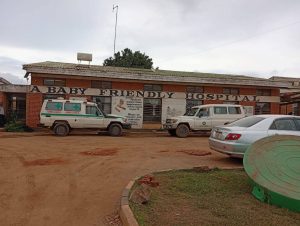
The association has cited the deaths of a woman and her newborn baby at Mponela Rural Hospital on November 24, 2026, saying they could have been saved if an ambulance had fuel to transfer them to Dowa District Hospital for advanced care.
AMAMI says health workers had identified the need for a referral and an ambulance was available, but the transfer could not take place because there was no fuel.
The association says fuel shortages have also forced some midwives to spend long hours in fuel queues and bus depots instead of attending to patients, while others are reportedly buying fuel at high prices using their own money.
It has further warned that water shortages are affecting hygiene and infection prevention in maternity wards, while frequent electricity outages are disrupting emergency procedures, including newborn resuscitation and deliveries.
AMAMI has also raised concern over shortages of essential medicines and medical supplies needed to manage complications during pregnancy and childbirth.
The association is therefore calling on the Ministry of Health and other relevant government departments to ensure reliable fuel supplies for ambulances and generators, restore water and electricity in health facilities and urgently restock essential medicines and equipment.
It has also demanded transport or fuel allowances for midwives and an end to what it describes as the victimisation of midwives over challenges arising from failures in the health system.
The association says it expects visible improvements by January 1, 2027, warning that it will consult its members on further action if the demands are not addressed.
