

Community involvement in designing projects to be implemented in a particular area has been cited as a key element in ensuring that projects being implemented responds to the needs of people across the country.
This comes as they have been concerns that most local organisations impose projects on communities therefore making it difficult for such projects to yield projected results.
Gibson Chisale executive director of a local organisation Pace for social change has told MIJ Online that community engagements from concept development can help avoid certain organisations face when implementing their projects.
“There are so many projects and initiatives that do not yield intended results because often times communities are not engaged as to what they want either on projects in education, governance or health. We therefore need to begin engaging communities in which we plan to implement our projects to ensure that we develop a project that responds to their needs,” Chisale observed.
According to Chisale this can also play a huge part in ensuring sustainability of initiatives after completion of projects as communities feel to be part of the solutions to challenges being faced in communities hence easily adopts new or improved ways of doing things.
Meanwhile, PACE has received about 4,700 British Pounds from Tilitonse Catalyst Fund for its Shift the Power Program which among others seeks to strengthen the organisation’s composition as well as capacity so that it meets standards of a well-structured organisation.
Through the six months program, the organisation’s board members, management and staff will acquire project management and monitoring skills among others for improved operations.
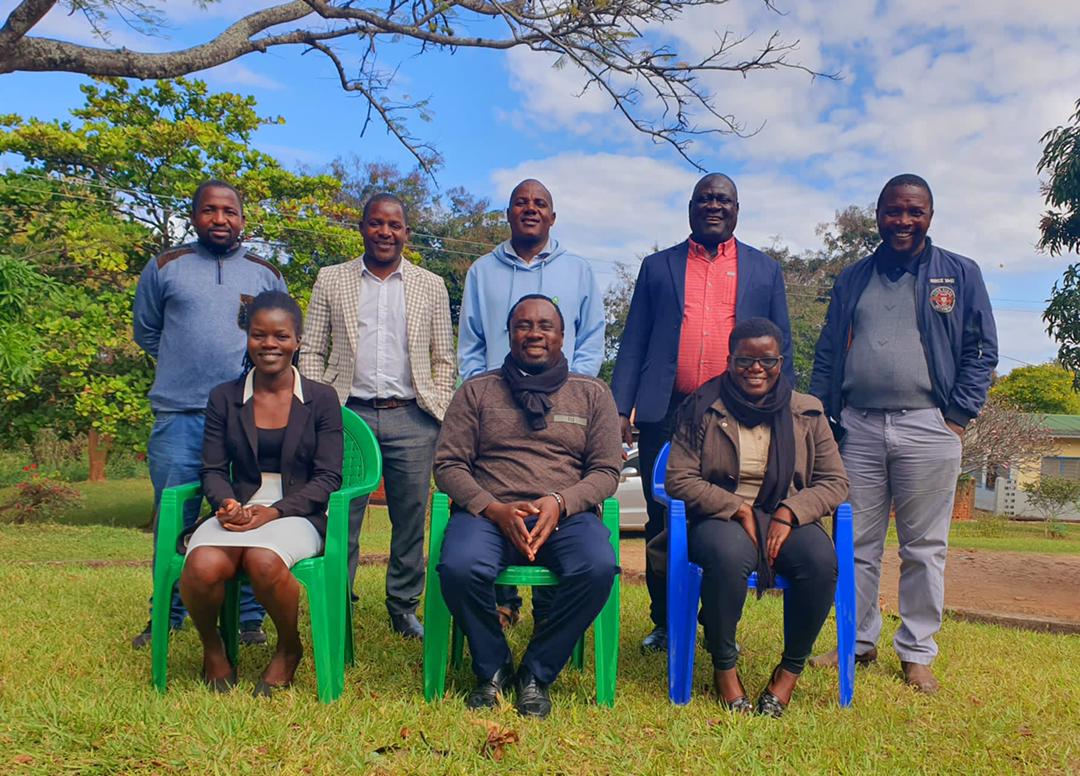
Kondwani Botha chairperson of PACE for social changes board of directors has described the two day board orientation meeting which was conducted in Nkhata bay district as timely saying it will assist in promoting transparency and accountability within the organisation while at the same time ensuring improved service delivery through the skills gained.
