


… a tale of post-TB lung disease: the big elephant in the house
Over the years the countrys fight against tuberculosis has registered many strides. Gains have been posted in surveillance, sputum collection, detection, treatment and patient care. Yet despite these inroads there is a big elephant in the house. Studies indicate that 60 percent of patients who successfully complete TB treatment go on to develop post-TB lung disease, and the country is not yet ready with nationwide interventions to address the problem. Our reporter Tamanda Matebule explains why this is a setback in the push to eliminate TB by 2030.
At the end of any medical treatment, one expects healing, recovery and, with time, a return to normality. Depending on the severity of the illness or the nature of treatment, complete healing may not be guaranteed; for, some conditions require rehabilitation for physical or emotional complications.
Here are complications that may as well involve immunological problems like persistent inflammation or immune_mediated tissue damage that need medical management.
Thus; post_TB lung disease fits squarely into that category emerging as a recent setback in TB management.
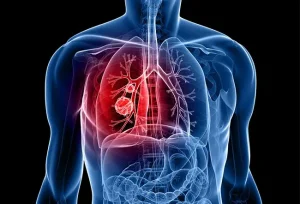
While the national TB response shows progress, more than 60 percent of patients completing treatment are being left chronically ill, struggling with persistent cough, breathing difficulties and structural lung damage.
Researchers from Kamuzu University of Health Sciences — Kuhes, Malawi Liverpool Wellcome Trust, Queen Elizabeth Central Hospital and such partners as Paradiso TB Patient Trust describe this phenomenon as a hugely under_recognised public health issue.
Insights from scientists and researchers
Dr Hussein Twabi, an infectious disease epidemiologist at Kamuzu University of Health Sciences, and Raphael Kamngona, an immunologist and PhD scholar now with the London School of Hygiene and Tropical Medicine, say patients in several studies often present persistent respiratory symptoms at treatment completion.
They say, medical evaluations reveal extensive lung damage, chronic inflammation and reduced work capacity due to chronic obstructive lung disease.
But why do some patients recover fully while others do not? Kamngona, formerly with Malawi Liverpool Wellcome Program attributes the differences to variations in individual immune responses.
However, he observes, current studies are aiming to identify the immunological markers and cellular behaviours that explain why some people respond positively to treatment while others develop long_term complications.

Kamngona adds: “To best address this phenomenon, researchers need to find biomarkers that will predict which patients are susceptible to developing post_TB lung disease — shifting care from reactive management to proactive prevention.”
This research, he says, aspires to generate enough data to answer critical questions about: which immune cells are responding and why, and which are not and why not and also establish the overall impact on the lung health.
“This knowledge would enable targeted interventions rather than the current one_size_fits_all approach. We must move beyond that and tailor treatment according to a patients immunological makeup and response as apparently; the main intervention is symptom management,” Kamngona argues.
Survivors accounts
On their part; survivors give a devastating tale of life after treatment.
Remmie Kachingwe from Balaka district was diagnosed with TB in 2009 and completed treatment, but years later developed severe complications and now lives with structural lung damage and breathlessness.
He says, “The remains are what you are seeing of me as I struggle with breath.”
Mwai Bonongwe, another survivor, lives with a persistent cough and ongoing breathing problems. But his story is compounded by food insecurity and economic hardship.
“My prayer is for discovery of a cure to my condition,” he says, and adds, “I cant continue to live with anxiety, fear and uncertainty. It is like TB is still active. I pray for cure.”
Gaps in care and proposed interventions
Like scientists and patients themselves, partners working with TB survivors are seeing social and economic fallout.
Davie Zenengeya, monitoring and evaluation officer at Paradiso TB Patient Trust, highlights the socio_economic impact: reduced physical capacity, financial struggles, social inactivity and chronic symptoms.
“These consequences also fuel higher rates of food insecurity and economic burden for many survivors can no longer fend for themselves,” says Zenengeya.
Malawis TB story on the surface looks promising. Incidence estimates fell from 197 per 100,000 population in 2015 to 119 per 100,000 by 2023 and not to mention but the reduction of TB incidence by 31 percent and mortality by 43 percent.
Such is a success story being attributed on active case finding, surveillance, community_based directly observed therapy, integrated TB/HIV services and decentralised care.
Yet the high prevalence of post_TB lung disease dents these successes. Worse still when currently theres no routine data on patients immunological profiles to guide personalised treatment.
Thus, Kamngona hopes his study will provide the scientific guidance needed to tailor therapy according to immune composition. He also proposes formal national guidelines that clearly spell out follow_up strategies and policies for post_TB lung disease management.
Strengthening information, early rehabilitation and community engagement
On one hand, Dr Twabi urges improvements in information systems and early rehabilitation. He emphasises physiotherapy as part of the care package patients should receive and calls for intensified community engagement because public understanding of residual TB effects is limited.
On the other, Zenengeya echoes these concerns, sharing instances from project communities where health care providers only reassure patients they will recover or simply prescribe painkillers.
“This is happening because the health care givers are unaware of post_TB lung disease a situation that should be addressed by capacitating frontline workers and adopting a comprehensive national approach to managing these conditions,” he says.
Government response and limited reach of rehabilitation services
Responding to these findings and observations the National TB and Leprosy Elimination Program commits to improving outcomes for survivors.
Dr Tisungane Mwenyemkulu, chief disease control officer for the program, says government is adopting revised tools and TB registers to include a post_TB lung disease assessment component for tracking treatment outcomes.
“However, to achieve our goals, we must be cautions, of existing efforts and maintain or increase them to change the story,” says Mwenyemkulu.
With the post_TB lung rehabilitation program reaching only 29 health facilities out of hundreds, experts and partners urge scaling up rehabilitation services, strengthening community awareness, integrating early physiotherapy referrals into routine care, and building capacity among health workers.
In pursuit of Malawis aspiration to meeting the End TB Strategy target of elimination by 2030, researchers, clinicians and civil society insist on making post_TB lung disease a priority in policy, funding and service delivery.
Or else, without integrated follow_up care, rehabilitation, medical management of immunological sequelae, predictive biomarkers to identify high_risk patients and research into tailored treatments equates to chasing shadows.
Actually treatment success and strides in other interventions will not automatically translate into durable recovery and restored livelihoods for TB survivors — hence call for action on this elephant in the room.
