


Ahead of Cyclone Freddy making a landfall in Malawi on March, 11, 2023; alerts were sent for residents in risk prone communities to relocate to higher grounds.
However, there was general neglect!
For its intervention; the department of disaster management – Dodma sent an evacuation boat to Makhanga, Nsanje district but residents refused to jump onto it, in spite of an impending severe storm.
In some parts around the commercial capital Blantyre; cars with loudhailers moved around and media outlets carried alerts warning residents to relocate to upper-lands.
Likewise; there was another general neglect!

Not even did residents ignore warning-alerts by Dodma; they also closed their ears whilst the department of climate change and meteorological services – MET department constantly issued warning-alerts prior to the historical storm.
It seemed residents had not drawn lessons from the previous storm – Cyclone Ana which had affected 994,967 people, killed 46, injured 206 and displaced 221,127 people, according to Dodma.
No wonder; came-and-went Cyclone Freddy, the price to pay was too huge for Malawi as the recent cyclone claimed 1 200 lives, 300 000 livestock and affected 200 000 hectares of farmland.
An emotionally charged Moses Chimphepo director of preparedness and response with Dodma say effects of this devastating storm were preventable had affected communities acted on weather or climate change alerts.

He recalls: “It’s painful we ended-up in this situation all because communities refused to relocate. Dodma actually deployed an evacuation boat to Makhanga in Chikwawa but communities sent the boat back.
They told our team they weren’t evacuating … maybe; they didn’t believe us … maybe they didn’t believe the MET department and maybe they didn’t believe community loudhailers either … and the result was that tragedy.”
Not surprising; the aftermath of Cyclone Freddy has been left for reflecting on how best to utilize weather and climate change warning alerts.
In Chikwawa for instance, one of the worst hit districts … health authorities feel the weight of fatalities would have been different had residents in these affected communities heeded to the early warning alerts.
Settie Piriminta, district health office spokesperson for Chikwawa says the cyclone taught authorities and stakeholders lessons on how serious to treat weather alerts.
“The magnitude of injuries, loss of health records, washing away of medication including ARVs could have been less if authorities had acted on the weather alerts.
“This the important lesson we have learnt from weather or climate change alerts,” says Piriminta.
And it wasn’t just Dodma or the MET department whose messages were ignored, local authorities and community structures, who, went around to alert residents of the imminent danger, were laughed off too.
“Loudhailers came around blowing whistles and shouting about the impending floods and people never cared,” recalls a 54-year-old Dongani Mafunga, a resident from Chintheche.
In Blantyre too, the Malawi’s commercial capital, warnings were announced as the storm moved inland. But many people paid no attention to them.
Such neglect of warning alerts was in spite of the city having over 20 radio stations, five TV stations, two newspapers and multiple online publications running warning alerts.
Emmanuel Masina, a resident of Chilobwe, one of the hardest hit locations recounts “We live to regret for doing nothing on the early warning alerts which we accessed through various media outlets.”
Nonetheless, he says, it was still going to be difficult to relocate when they had nowhere to seek shelter in the absence of evacuation facilities.
No wonder; a humanitarian agency Malawi Red Cross Society wonders why people in flood prone areas continue to live in makeshift shelters often prone to danger during mudslides.
Felix Washon, spokesperson of the society says the aftermath of this storm and previous ones mean people residing risky prone locations including hills care less about warning when they are exposed to radios, TV and the social media.
On its part; government feels the country can do better and avoid “National tragedies” if communities began to regard seriously early warning alerts like those announced ahead of Cyclone Freddy.
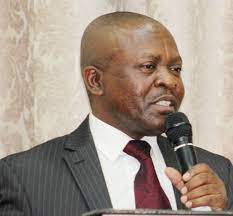
Michael Usi, Natural Resources minister says the aftermath of the cyclone must take the nation to the drawing board for a serious soul searching exercise on why people neglected the weather alerts to relocate and where to improve in the future.
“With the world now experiencing effects of climate change, a repeat of Cyclone Freddy is eminent and we need to reset how we react to climate change alerts. Otherwise neglecting them defeats all the reason why we must have them,” says Usi.
And UN emergency specialist Estere Tsoka at UNICEF Malawi echoes the minister.
This, she says, is premised on consideration of weak structures built with feeble materials like mud and low quality iron sheet-made houses subjecting them more prone to collapse.
On the other hand … an agriculture expert Leonard Chimwaza thinks the agriculture sector has equally suffered loss which could have been minimized.
“The recent cyclones have left the country food insecure with the hardest hit being farmers who have gone ahead with their routine activities in spite of threats of cyclones.
“Some bought seeds and fertilizer only to have their fields washed away obviously the story could have different if the nation did different by utilizing climate change and weather warning alerts,” he says.
Traditional Authority Makhanga says what happened with the storms present lessons on how to value climate change alerts.
“We can learn from Mozambique … there, authorities and residents acted clever, to early warning alerts and relocated to camps and higher lands. We did the opposite.
“And the result was devastating. How I wished people paid attention and acted on the warnings and relocated,” regrets the traditional authority.
Equally regretting; Titani Mphalera a local resident whose family went with the storms says all his family members went with the storms and that he only survived for an errand he had earlier embarked on.
However, a climate change expert Wesly Chiwaula thinks there’s need to improve on early warning management systems and make them a bit more customized.
“The fact that communities ignored warning alerts from such authorities like Dodma, MET department, radios, TVs, social media and loudhailers means there’s a big problem to address.
“However, I think we must go beyond the problem and identify solutions one of which would be a mechanism of sending alerts via mobile phones as text messages,” suggests Chiwaula.
Moving forward with threats of storms becoming eminent Chimphepo; says people need to begin to realize the importance of these warning signs and regard evacuation orders with the seriousness they deserve.
