
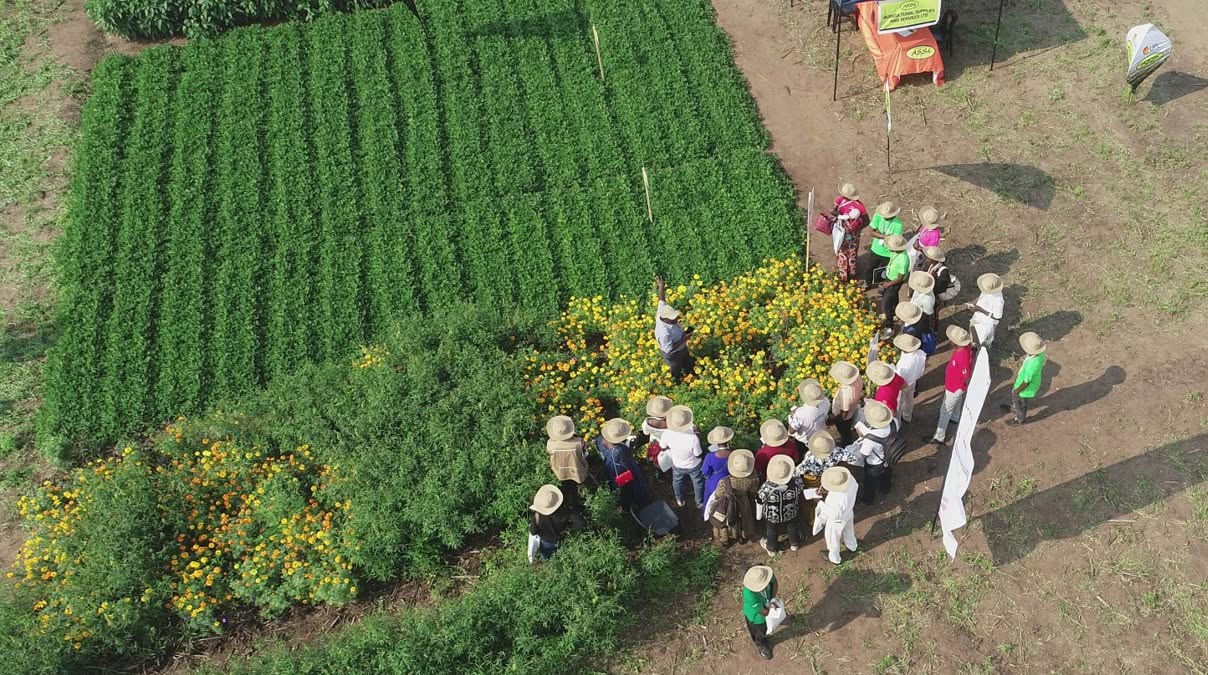

Malawi’s legume sector is expected to improve as new technologies, farming practices and production solutions are being tested to increase crop yields, improve quality and strengthen the value chain.
Stakeholders in the sector are testing various technologies aimed at finding more effective and affordable ways of improving the production of legumes for both smallholder and commercial farmers.
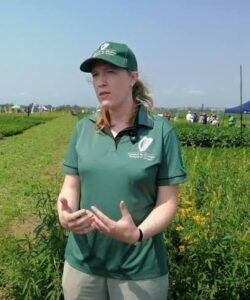
The initiative comes amid challenges affecting Malawi’s legume sector, including the use of low-yielding seed varieties and poor farming practices, which continue to limit productivity and the overall value of the crops.
Among the technologies and practices being tested are high-yielding seed varieties, inoculants, improved fertilisers, better agronomic practices and cost-effective production solutions.
The technologies were showcased during the 2026 Legume Tour, supported by Ireland and Palladium in collaboration with other stakeholders and sponsored by Standard Bank.
The tour brought together farmers, researchers, agribusinesses, investors, policymakers and development partners from Malawi and beyond.
It featured field demonstrations and conference discussions aimed at sharing knowledge, showcasing innovations and exploring opportunities to strengthen Malawi’s legume sector.
Irish Ambassador to Malawi, Kate Brady, said the country has the potential to become a major player in legume production.
Brady made the remarks in Chikwawa District on Tuesday during the launch of the Legume Tour Malawi 2026.
“Legumes are central to Malawi’s agricultural transformation. With the right investment and partnerships, Malawi can become a major player not only in regional but also global legume markets,” she said.
She said the Irish government remains committed to supporting Malawi’s agriculture sector, which is one of the key areas of cooperation between the two countries.
Head of Agribusiness for Africa Regions and Offshore at Standard Bank Group, Leon Kotze, said Africa, including Malawi, has significant potential in agriculture, particularly in value addition.
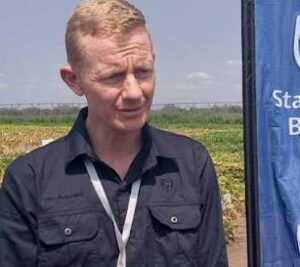
Kotze said Standard Bank was keen to partner with governments and other players in the agriculture sector to help unlock this potential.
The Legume Tour Malawi 2026 is organised by Palladium’s Growth Poles Project, Agricanes Sangowa Innovation Labs and the Soybean Innovation Lab.
Speaking during the conference in Blantyre, Minister of Agriculture Roza Fatch Mbilizi reaffirmed the government’s commitment to transforming legume production from subsistence farming into a competitive commercial enterprise.
Mbilizi stressed the importance of rigorous research into resilient seed varieties for crops such as groundnuts, soybeans and cowpeas to help farmers meet regional and international quality standards.
Experts from the Sangowa Research and Innovation Hub and the Soybean Innovation Lab said legumes have a combined farmgate value of more than US$600 million, but export earnings remain low.
They said this presents a major opportunity for commercial growth if farmers adopt better agronomic practices, biodiversity integration and resilient agricultural inputs.
Research Manager at the Agricane-Sangowa Research and Innovation Hub, Wills Munthali, said the focus is on increasing yields by helping crops better adapt to climate shocks.
He said maintaining the right balance in crop production allows farmers to benefit from natural interactions that can contribute to improved yields.
“The first interaction is about pollinators. Over 75 percent of flowering plants need pollinators and if these are not there yields could be reduced drastically. So we do attract these pollinators by planting flowering plants,” Munthali said.
He said farmers could improve productivity by maintaining a balanced farming environment that supports such natural processes.
Deputy Team Leader for Palladium Growth Poles, Sothin Ziba, said the legume tour had come at a crucial time as stakeholders seek to attract more farmers into commercial value chains.
Ziba said increased adoption of proven technologies and improved farming practices could help Malawi unlock the economic potential of its legume sector.
