

National AIDS Commission (NAC) says Police harassment, societal discrimination, and insufficient community-based services are major factors preventing Gays, Sex workers, drug users, and other key populations from accessing quality HIV Health care.
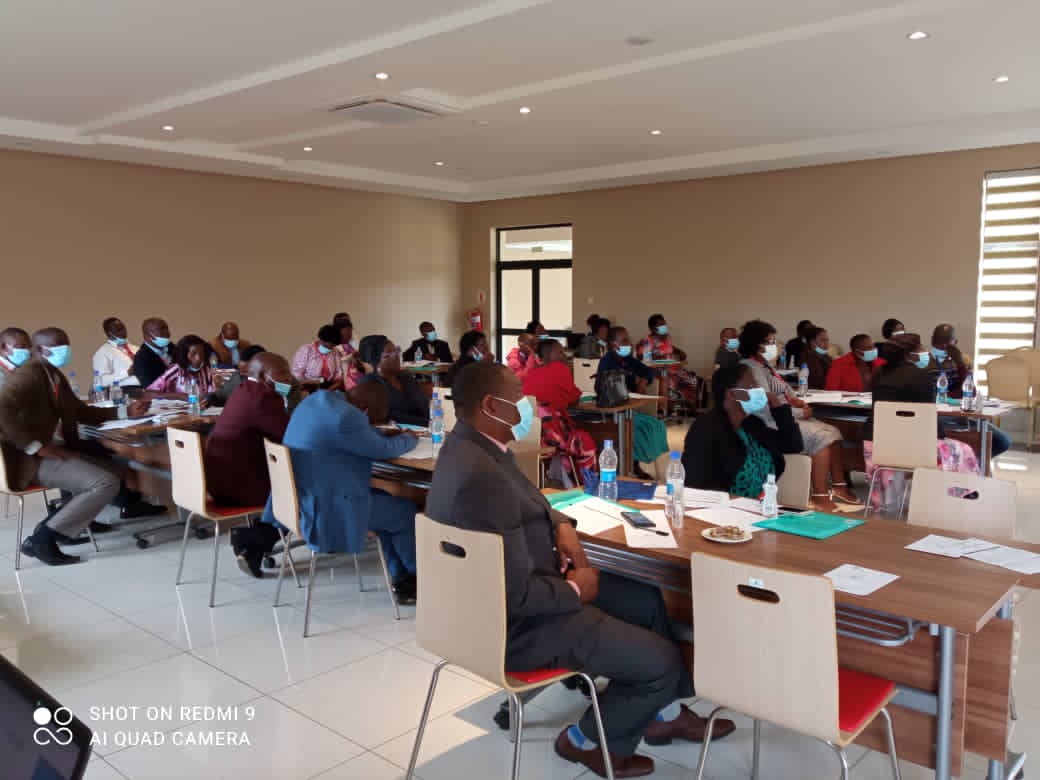
Chimwemwe Mablekisi, NAC Director of Programmes said this on Monday during the opening of a two-day training for law enforcement officers which its aim is to encourage policing practices that promote justice and improve HIV response.
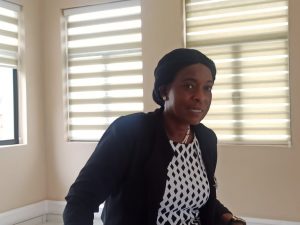
Speaking at the function, Mablekisi said gays, bisexuals, people who inject drugs, sex workers, and transgender experience high levels of violence which increases HIV risk and decreases their testing and adherence to antiretroviral drugs (ARVs).
She said, also due to certain risk behaviors, such people face a higher risk of acquiring HIV and have a higher risk for onward transmission yet their access to quality HIV services is still limited.
“For example, female sex workers and their partners, those partners are spouses to other people. So if we don’t control the infections amongst this group, most likely the infections will also go into the general population. So to fight HIV, we need the key populations, the vulnerable, and the general population. No one should be left behind”. Said Mablekisi.
Mablekisi, has therefore called on the Police to create a stigma-free environment to improve the uptake of HIV services among gays, sex workers, bisexuals, drug users, and others.
“This training is therefore crucial as it will help to build a pool of competent officers who can help in addressing stigma, discrimination, and violence against the key populations.” Emphasized Mablekisi.
In his reaction, Senior Superintendent Mackenzie Chigumula, who is National HIV and AIDS Coordinator for Malawi Police Service acknowledged having gaps in handling the key populations. He said the training will help impart new skills to the officers.
On his part, Dr. Ngonidzashe Madidi FHI 360 country representative described the training as very crucial to HIV response.
